

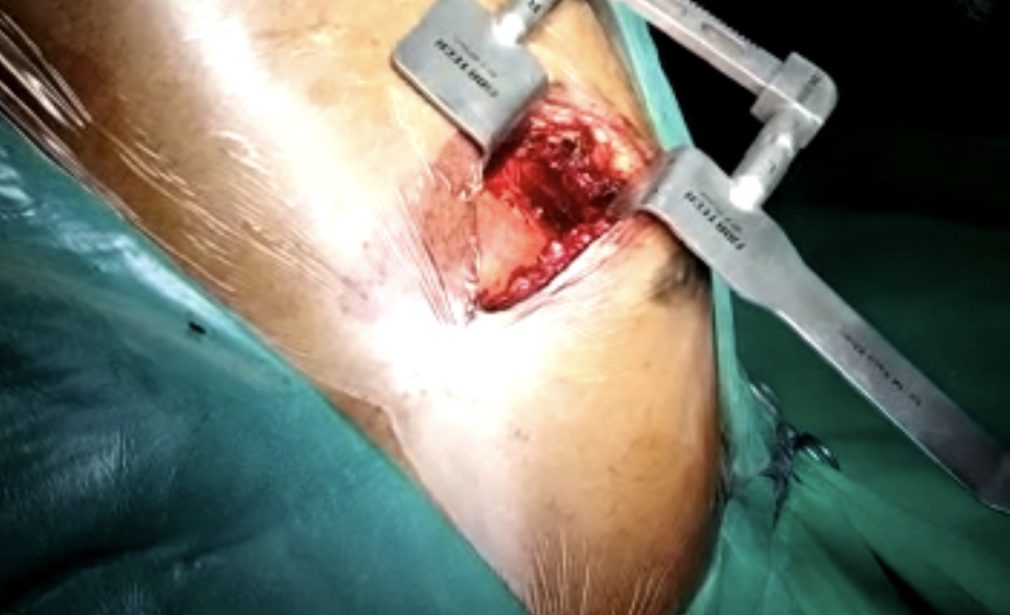
Keyhole Bypass Surgery: An Overview
Keyhole Bypass Surgery, also known as minimally invasive bypass surgery, is a technique used to treat blocked coronary arteries. Unlike traditional open-heart surgery, which requires a large incision, keyhole bypass surgery uses smaller incisions, leading to quicker recovery times and less pain for the patient. This procedure is ideal for individuals with severe coronary artery disease (CAD) where other treatments have not been effective.
Why is Keyhole Bypass Surgery Needed?
Keyhole bypass surgery is recommended for patients who have:
- Coronary Artery Disease (CAD): CAD is a condition where the coronary arteries are narrowed or blocked due to the buildup of fatty deposits (plaque). This can reduce blood flow to the heart, causing chest pain, shortness of breath, or heart attacks.
- Angina: Severe chest pain caused by reduced blood flow to the heart muscle. If medication or lifestyle changes don’t relieve the symptoms, surgery may be necessary.
- Heart Attack: After a heart attack, the affected coronary arteries may be severely damaged. Keyhole bypass surgery can restore blood flow to the heart muscle.
How is Keyhole Bypass Surgery Performed?
Keyhole bypass surgery involves several steps:
- Preparation: The patient is given anesthesia, and small incisions are made in the chest. The exact number and location of the incisions depend on the patient’s condition and the surgeon’s approach.
- Accessing the Heart: Using specialized instruments, the surgeon accesses the heart and the blocked coronary arteries through these small incisions. A tiny camera may be used to provide a detailed view of the heart.
- Creating the Bypass: A healthy blood vessel from another part of the body, such as the leg or chest, is used to create a new route (bypass) around the blocked artery. This allows blood to flow more freely to the heart muscle.
- Closing the Incisions: Once the bypass is in place, the incisions are closed with sutures or staples. The entire procedure is performed with the aid of advanced technology to minimize trauma and maximize precision.
What to Expect During Recovery
Recovery from keyhole bypass surgery is generally faster than from traditional open-heart surgery. Here’s what to expect:
- Hospital Stay: Most patients stay in the hospital for about 2 to 4 days after the surgery. During this time, medical staff will monitor the patient’s progress and manage pain.
- Recovery at Home: Patients typically resume normal activities within 1 to 2 weeks, although it may take a few weeks to fully recover. Light activities such as walking are encouraged to promote healing.
- Follow-Up Care: Regular follow-up visits with the cardiologist are essential to monitor recovery and ensure the bypass is functioning properly.
Risks and Complications
While keyhole bypass surgery is less invasive, it still carries some risks, including:
- Infection
- Bleeding
- Blood clots
- Adverse reaction to anesthesia
- Injury to nearby organs
- Re-narrowing of the arteries
However, the risks are generally lower than those associated with traditional open-heart surgery, and the benefits often include a faster recovery and less postoperative pain.
Living After Keyhole Bypass Surgery
Post-surgery, it’s crucial to adopt a heart-healthy lifestyle to ensure long-term success. This includes:
- Diet: Eating a balanced diet low in saturated fats and cholesterol.
- Exercise: Engaging in regular physical activity as recommended by the healthcare provider.
- Medications: Taking prescribed medications to manage risk factors such as high blood pressure and high cholesterol.
- Lifestyle Changes: Quitting smoking and reducing alcohol consumption.
Regular check-ups with a cardiologist will help track progress and prevent future heart problems.
Final Thoughts
Keyhole Bypass Surgery offers a minimally invasive alternative to traditional bypass procedures, providing effective treatment for coronary artery disease with less recovery time and reduced discomfort. By restoring normal blood flow to the heart, this surgery can significantly enhance a patient’s quality of life and overall heart health.