

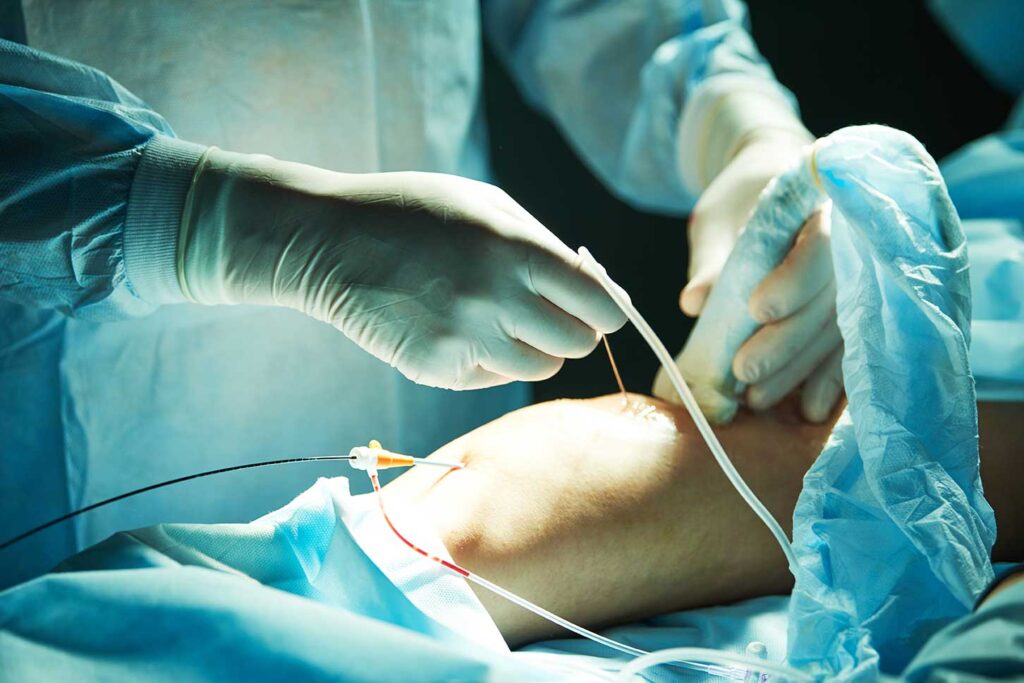
Vascular surgery is a specialized field that focuses on the diagnosis, treatment, and management of disorders affecting the vascular system, which includes arteries and veins. This type of surgery is essential for restoring blood flow, preventing complications, and improving the quality of life for patients suffering from various vascular conditions. With advanced techniques and a patient-centered approach, vascular surgery can effectively address issues ranging from peripheral arterial disease to complex aneurysms.
Below are key procedures performed:
This procedure addresses narrowing or blockages in the arteries of the legs, improving blood flow and alleviating symptoms like pain and fatigue during activity.
Aneurysm repair involves the surgical correction of an enlarged blood vessel. This procedure is crucial to prevent rupture and potential life-threatening complications.
This specialized repair targets aneurysms located in the abdominal aorta, often performed using minimally invasive techniques to enhance recovery and reduce risks.
Treatment for acute and chronic limb ischaemia focuses on restoring blood flow to the limbs to prevent tissue damage and improve overall limb function.
An AV fistula is surgically created to provide reliable access for dialysis patients, enhancing the efficiency of blood filtering in individuals with kidney failure.
These bypass surgeries redirect blood flow around blocked arteries, commonly performed in the femoral-popliteal region, to alleviate symptoms and enhance circulation.
This encompasses various treatments for venous conditions, such as varicose veins, aiming to reduce pain, swelling, and improve the appearance of the affected veins.