

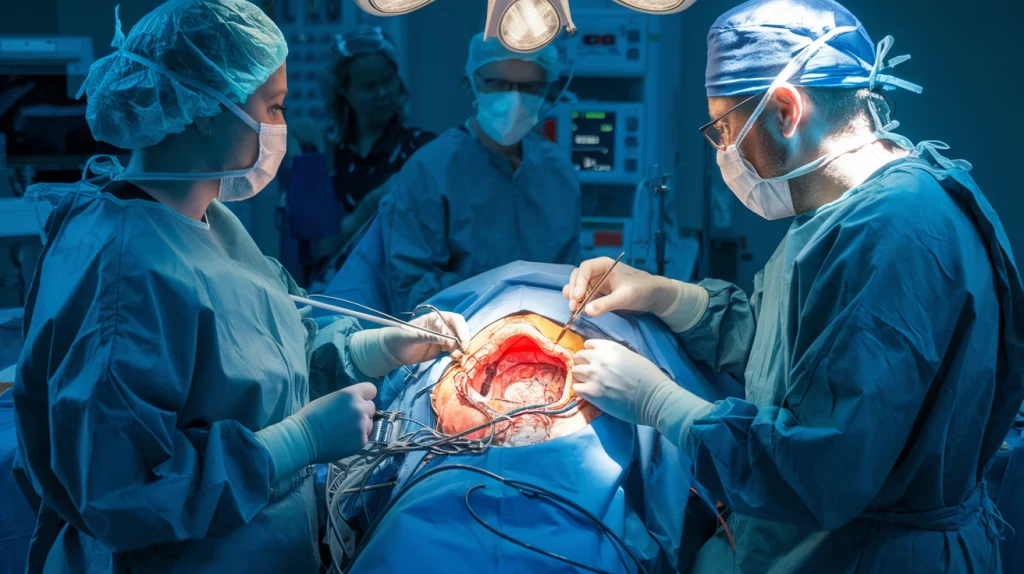
The aorta is the largest blood vessel in the body, responsible for carrying oxygen-rich blood from the heart to the rest of the body. Because the aorta is so essential, any damage or disease affecting it can be life-threatening. Complex Aorta Surgery is a procedure designed to repair or replace parts of the aorta that have become weakened, damaged, or diseased. This surgery is often required when simpler treatments, such as medications, are not enough to manage the condition.
There are several reasons why someone might need this type of surgery, including:
There are several approaches to complex aorta surgery, depending on the specific problem. The surgery is typically performed by a cardiovascular surgeon and can be done in different ways:
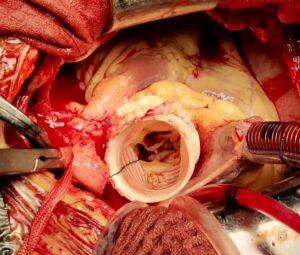
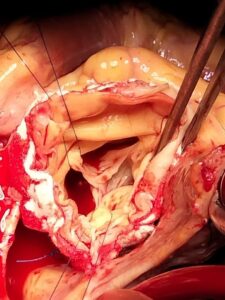
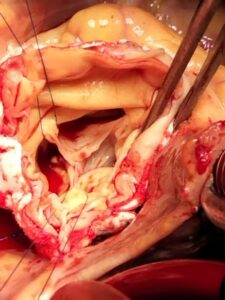
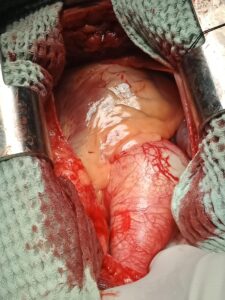
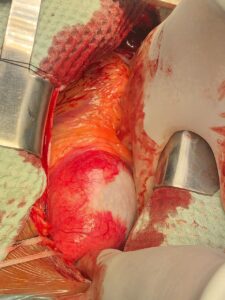
Recovery after complex aorta surgery can vary based on the type of surgery performed. For open surgery, patients may need to stay in the hospital for a week or more. Recovery at home could take several weeks or even months, depending on the individual’s condition and overall health.
For less invasive procedures like endovascular repair, recovery is typically quicker, and many patients are able to return home within a few days. However, it’s important to follow the surgeon’s instructions closely and attend all follow-up appointments to ensure proper healing.
Like any major surgery, complex aorta surgery comes with risks, including:
However, these risks are generally outweighed by the benefits, especially if the aortic condition poses an immediate threat to the patient’s life.
After surgery, many people are able to return to their normal activities, though lifestyle changes may be necessary. This could include managing blood pressure, quitting smoking, adopting a heart-healthy diet, and engaging in regular exercise. Regular check-ups will also be necessary to monitor the condition of the aorta and ensure there are no complications.
Complex Aorta Surgery is a life-saving procedure for people dealing with serious aortic conditions. While it may sound intimidating, modern surgical techniques and experienced surgeons make this procedure highly effective in treating issues like aneurysms and dissections. With proper care, patients can go on to live full and healthy lives after surgery.