

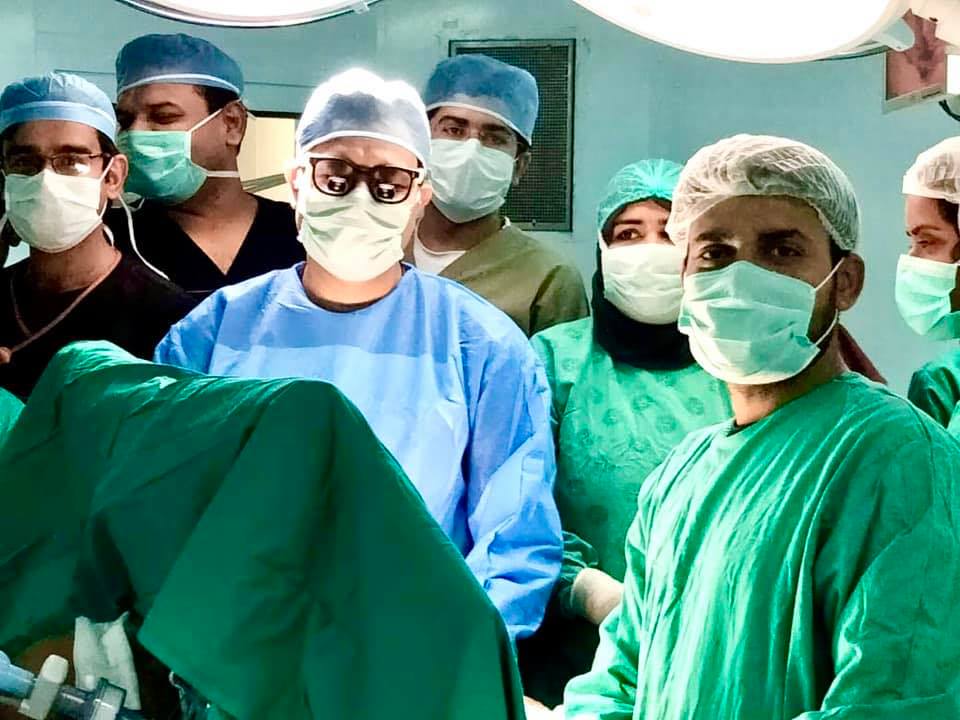
9 Benefits Of Keyhole Heart Surgery
Cardiology has progressed a lot over the years. In the past, many cardiac conditions were untreatable. Nowadays, innovations have helped cardiology advance significantly. Healthcare providers play an essential role, working tirelessly for its betterment. Keyhole heart surgery is a prime example of this progress.
When your heart valves are damaged or the arteries become narrow, heart surgery may be required to either replace the valve or bypass the artery. This procedure is known as coronary artery bypass graft (CABG).
To perform this, healthcare providers traditionally incise the chest, cutting the breastbone, to replace the valve or bypass the artery. Though this procedure can be life-saving, it’s highly invasive and requires significant recovery time.
Healing from this surgery takes time, particularly for the breastbone to heal and stitches to recover. Conventional open-heart surgery involves an 18-20 cm incision, while keyhole surgery only requires 5-6 cm, making a noticeable difference.
Keyhole heart surgery is minimally invasive, allowing surgeons to perform various heart operations without cutting the breastbone or leaving large scars. Surgeons make a small incision on the side of the chest, reaching the heart through the natural space between the ribs.
Why It’s Done
Many heart procedures can now be performed with minimally invasive surgery, including:
- Aortic valve replacement
- Atrial septal defect and patent foramen ovale closure
- Atrioventricular septal defect surgery
- Coronary artery bypass surgery
- Maze procedure for atrial fibrillation
- Mitral valve repair or replacement
- Saphenous vein harvest for coronary artery bypass surgery
- Tricuspid valve repair or replacement
What Are The Benefits Of Keyhole Heart Surgery?
Keyhole heart surgery is gaining popularity for its various benefits:
1. Small Incision
The incision is much smaller compared to open heart surgery, allowing for faster recovery. The small incision in keyhole surgery heals quicker, requiring less postoperative rest.
2. No Cutting of Breast Bone
Keyhole surgery avoids cutting the breastbone, which not only shortens the procedure but also reduces pain and recovery time. Many patients feel more comfortable knowing they won’t endure the trauma of a split breastbone.
3. Less Cosmetic Problems
The scar from keyhole surgery is less noticeable, often located lower on the chest. This minimizes cosmetic concerns, allowing patients to wear their regular clothing post-surgery without worry.
4. Fast Recovery
Patients who undergo keyhole heart surgery can resume normal activities within days. In contrast, recovery from open heart surgery can take months.
5. No Chances of Bone Infection
Open heart surgery carries a risk of breastbone infection, a complication that can be severe. Since the breastbone isn’t involved in keyhole surgery, the risk of such infections is eliminated.
6. Minimal Pain
Without breastbone involvement, keyhole surgery results in minimal pain, allowing patients to recover more comfortably.
7. Shorter Ventilation Time
Keyhole surgery requires less time under deep anesthesia, meaning patients spend less time on mechanical ventilation compared to open-heart surgery.
8. Short ICU Stay
Patients undergoing keyhole surgery typically spend less time in the ICU, as the procedure is less invasive.
9. Less Blood Loss
Compared to open heart surgery, keyhole surgery results in less blood loss, which is easier for healthcare providers to manage.
Risks
Minimally invasive heart surgery carries similar risks to open-heart surgery, including:
- Bleeding
- Stroke
- Infection
- Irregular heart rhythms (arrhythmias)
- Death
In some cases, minimally invasive surgery may need to be converted to open-heart surgery if necessary for safety.
The Bottom Line
While open heart surgery has saved countless lives, keyhole heart surgery offers a minimally invasive alternative with fewer risks. With quicker recovery, reduced infection risks, and no need to cut the breastbone, keyhole surgery is becoming a preferred option for many.
If you’re dealing with heart disease, consult your healthcare provider to discuss whether open heart or keyhole surgery is right for you.